
Select your language


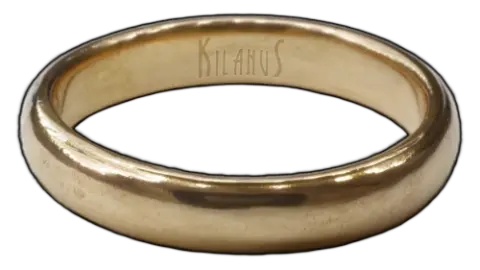
Gold-filling

Gold-filled jewellery is not made from a single metal, it has two layers: a base metal, such as bronze, silver, or brass, with a thick outer layer of gold.
Because the gold layer is thicker than standard gold plating, gold-filled jewellery is generally more durable and resistant to wear. It is commonly used in jewellery and watches.
Cleaning
Clean jewellery with lukewarm water and use mild dish soap (which has a neutral pH). You can use a new, clean toothbrush.
After washing jewellery, dry it carefully with a clean, lint-free cloth.
Storage
Store jewellery separately from other pieces to help prevent scratches.
Keep the jewellery in its original box or another clean jewellery box. Alternatively, wrap it in a clean, lint-free cloth and place it in an airtight bag.
Silver plating

Silver plating is commonly applied using electroplating. In this process, two metals are immersed in an electrolyte solution, and an electric current transfers a thin layer of silver onto the surface of the base metal.
Some jewellery is treated with a fine silver plating, which provides a bright finish.
Cleaning
Clean jewellery with lukewarm water and use mild dish soap (which has a neutral pH). You can use a new, clean toothbrush.
After washing jewellery, dry it carefully with a clean, lint-free cloth.
Storage
Store jewellery separately from other pieces to help prevent scratches.
Keep the jewellery in its original box or another clean jewellery box. Alternatively, wrap it in a clean, lint-free cloth and place it in an airtight bag.
Gold plating
There are several methods of gold plating, the most common being electroplating. Two metals are immersed in an electrolyte bath, and an electric current deposits a thin layer of gold onto the surface of the jewellery. Generally, the longer the piece remains in the plating bath, the thicker the gold layer becomes.
Gold plating is available in a variety of shades, depending on the composition of the gold alloy used in the plating solution.
Gold can also be applied using physical or chemical deposition methods.
Cleaning
Clean jewellery with lukewarm water and use mild dish soap (which has a neutral pH). You can use a new, clean toothbrush.
After washing jewellery, dry it carefully with a clean, lint-free cloth.
Storage
Store jewellery separately from other pieces to help prevent scratches.
Keep the jewellery in its original box or another clean jewellery box. Alternatively, wrap it in a clean, lint-free cloth and place it in an airtight bag.
Rhodium plating
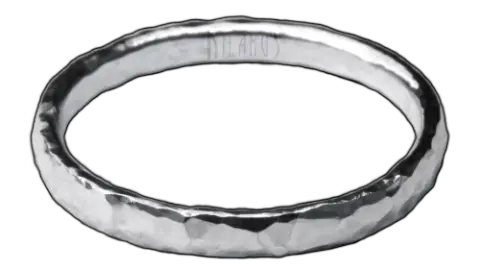
Rhodium is a member of the platinum group metals and is commonly used for rhodium plating.
Rhodium plating is performed by electroplating, where an electric current deposits a thin layer of rhodium onto the jewellery.
White gold and sterling silver jewellery are frequently rhodium plated.
The natural yellow tint of white gold can become visible over time, and a rhodium coating gives the jewellery its bright, white appearance.
Cleaning
Clean jewellery with lukewarm water and use mild dish soap (which has a neutral pH). You can use a new, clean toothbrush.
After washing jewellery, dry it carefully with a clean, lint-free cloth.
Storage
Store jewellery separately from other pieces to help prevent scratches.
Keep the jewellery in its original box or another clean jewellery box. Alternatively, wrap it in a clean, lint-free cloth and place it in an airtight bag.