
Select your language


Overview

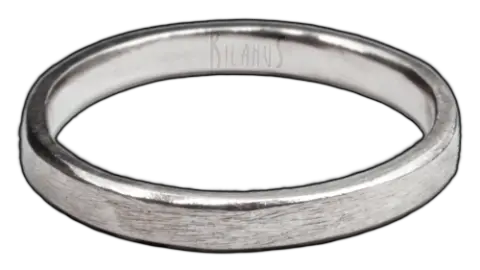
Nickel silver has been used for cutlery all around the world, and it is still used in jewellery today. However, its use in jewellery has declined due to its nickel content, which can cause various allergic reactions.
Nowadays, nickel silver is most commonly used in the production of coins.
Nickel silver and sterling silver can be difficult to tell apart by appearance alone, but hallmarks usually reveal which metal it is. Nickel silver may sometimes be marked with “UH” or “ALP.”
Cleaning
Wash the object or piece of jewellery with warm water and a small amount of dish soap. Use a soft brush to gently clean the surface.
After washing, carefully dry the object with a clean, soft, lint-free cloth.
Items made of nickel silver tend to tarnish, but proper storage and handling can help prevent or reduce tarnishing to some extent.
Storage
Store jewellery separately from other pieces to help prevent scratches.
Keep the jewellery in its original box or another clean jewellery box. Alternatively, wrap it in a clean, lint-free cloth and place it in an airtight bag.
It is recommended to remove nickel silver jewellery before handling chemicals or cleaning products.
Prosessing
Recycling– Nickel silver can be recycled by melting it down, but some goldsmiths may not accept it.
Stone setting – Stones can be set in nickel silver, but this alloy is not recommended for jewellery making
Melting point: Approx. 1040 °C
Density: Approx. 8.7 g/cm³
Colour: Silver-grey